Top Reasons to Book Garage Door Repairs Before Problems Get Worse
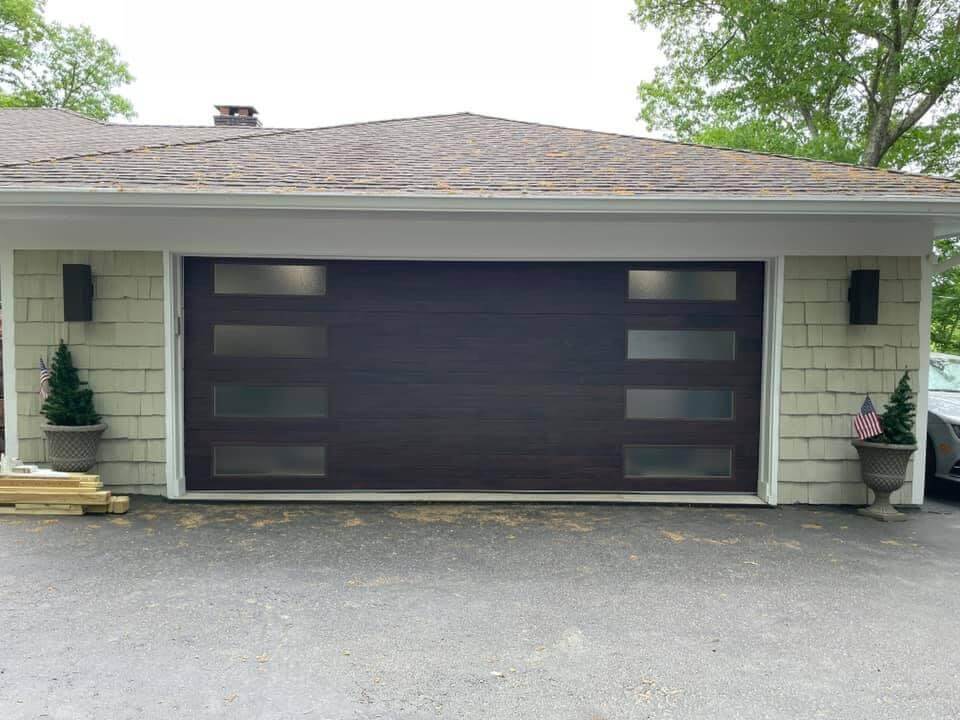
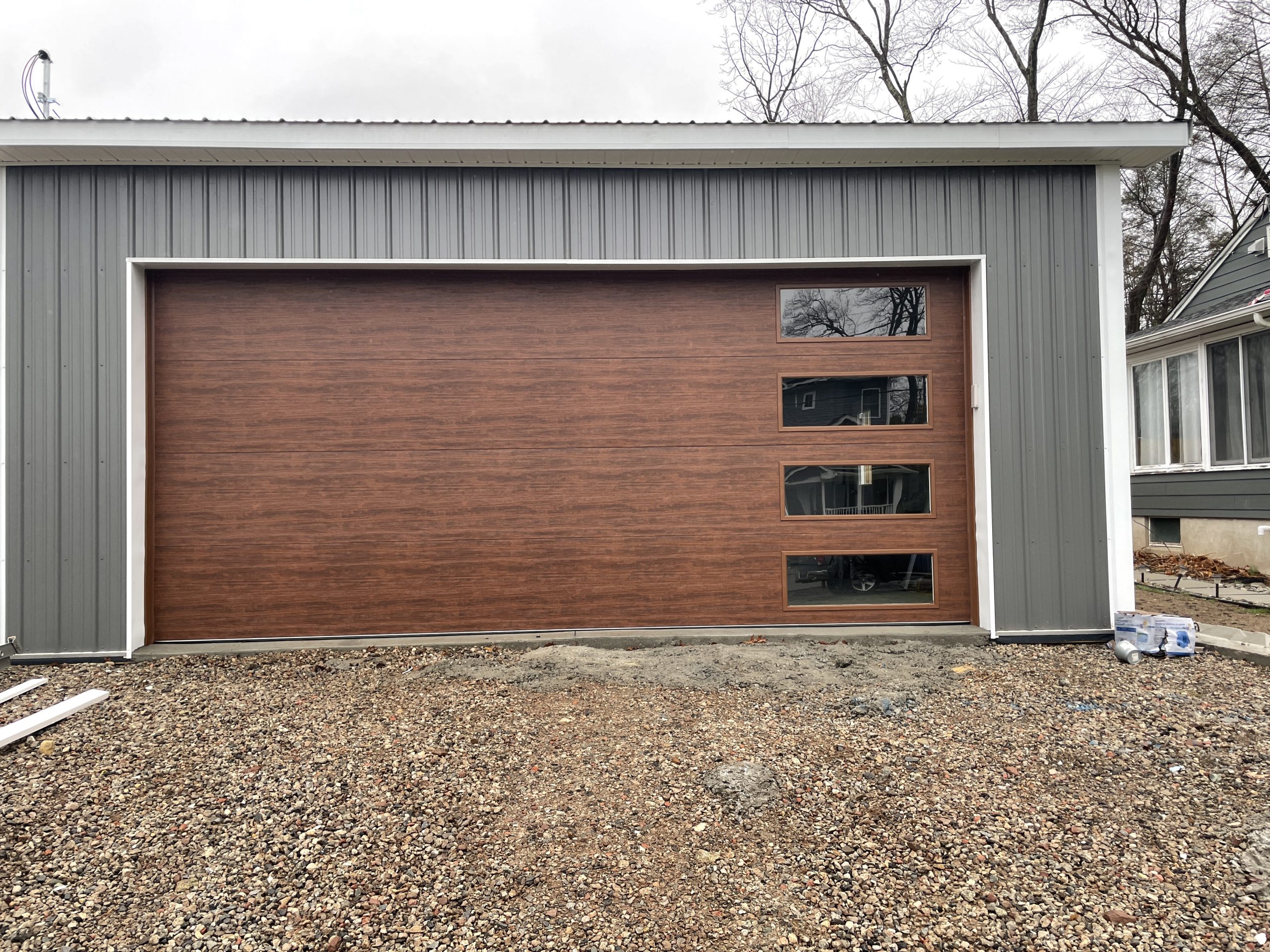
A garage door is easy to ignore when it seems to be doing its job. It opens in the morning, closes at night, and sits there as part of the background of the house. That calm can be misleading. Most garage door failures do not begin with a dramatic breakdown. They start quietly, with a slower lift, a sharper squeal, a shaky descent, or a remote that suddenly needs two taps instead of one. Those small changes matter.
Homeowners often wait because the door still works "well enough." From a repair standpoint, that is usually the most expensive phase to ignore. Garage doors are heavy, spring-driven systems under real mechanical tension. When one component starts slipping out of spec, other parts absorb the strain. What might have been a routine service call can turn into a larger repair involving springs, cables, rollers, track alignment, opener settings, and safety sensors.
That is especially true in places with weather swings. With Garage Door Repairs in New Jersey, technicians regularly see problems tied to humidity, freezing temperatures, road salt, and the seasonal expansion and contraction of metal components. A door that sounds slightly rough in October can become a stuck or unsafe door by January. Timing matters more than people think.
Small issues rarely stay small
Garage doors work as systems, not as isolated parts. The opener, torsion springs, cables, hinges, rollers, track, and sensors all rely on each other. If the rollers begin to wear flat spots, the door does not glide smoothly. That added friction increases strain on the opener and can tug the track out of alignment. If a spring starts losing tension, the opener compensates by working harder than it was designed to. If the bottom seal hardens and drags, the movement becomes uneven, which can loosen brackets over time.
This is one of the main reasons early Garage Door Repairs save money. The original defect is often modest. A technician may catch a loose bearing plate, a frayed cable in its early stage, or a travel setting that is just slightly off. Left alone, those same conditions can damage parts that were previously fine.
I have seen homeowners delay a repair over what looked like a minor wobble near the top section. Weeks later, the same door had chewed through rollers, bent part of the track, and started reversing halfway down because the opener could no longer read resistance properly. The first visit would have been basic maintenance and one replacement part. The second required a more involved repair and a longer period with the garage out of service.
Safety problems can develop before a full breakdown
A garage door can remain functional while becoming less safe. That distinction matters. Many people assume danger appears only when the door no longer opens or closes. In reality, a door can lift every day and still present serious risk.
Springs and cables are the clearest examples. Torsion springs are wound under high tension. Lift cables carry substantial load. When either part deteriorates, there may be warning signs, but there is not always a dramatic one. Sometimes the first obvious symptom is a door that drops hard, hangs crooked, or jams in the tracks. By then, the situation has moved well beyond routine maintenance.
Sensor issues are another overlooked safety concern. Modern garage doors depend on photo-eye sensors and force settings to prevent closing on an object, pet, or person. If the sensors are bumped out of alignment, coated with dirt, or affected by wiring problems, the door may behave unpredictably. It might reverse randomly, fail to close completely, or in a worse case, close with improper resistance settings. Those are not annoyances to postpone. They are safety faults.
The heavier the door, the less margin for error. A double-wide insulated steel door can weigh a few hundred pounds. The spring system is there to counterbalance that weight. Once the balance drifts, the opener becomes a substitute lifting device, and that is not what it is meant to be. Early repair is not just about convenience. It is about keeping a high-tension moving system within safe operating limits.
Delaying repairs usually raises the final bill
There is a straightforward financial case for early action. Mechanical wear compounds. The longer an issue continues, the more parts it touches. A misaligned track can shorten roller life. Worn rollers can stress hinges. A strained opener can wear drive components faster. The math is familiar to anyone who works on cars, HVAC systems, or plumbing. Minor resistance today often becomes multiple failed parts tomorrow.
The service cost itself may also climb if the failure happens at the wrong moment. A noisy door on a weekday afternoon can often be addressed with a scheduled visit. A door stuck halfway open late at night, during a storm, or before a holiday trip may call for urgent service. Emergency appointments tend to be more stressful, and the homeowner has less time to compare options or ask questions.
There is also the hidden cost of interruption. If the garage is your main entry point, a nonworking door affects school drop-offs, work commutes, deliveries, and storage access. If the door is stuck open, security becomes the immediate issue. If it is stuck closed and your car is inside, the problem turns practical very quickly.
For homeowners arranging Garage Door Repairs in New Jersey, timing can be especially important before winter cold snaps or summer humidity peaks. Materials respond to the season. Rubber seals stiffen. Metal contracts and expands. Lubricants thicken or break down. A part that is borderline in mild weather may fail once temperatures swing.
Strange sounds are often the first clear warning
A healthy garage door is not silent, but it should sound consistent. When the sound profile changes, it usually means something has changed mechanically. A rattling chain, scraping roller, popping spring sound, or grinding opener is worth attention, even if the door still completes its cycle.
Not every noise indicates a major repair. Sometimes the issue is as simple as dry rollers, loose fasteners, or vibration at a bracket. The point is not to panic over every squeak. The point is to avoid normalizing changes that have no business being there.
Certain noises are more urgent than others. A loud bang from the garage, especially when the door was not moving, often points to a broken spring. A repetitive scraping noise can suggest track contact or worn rollers. A motor that hums without moving the door may indicate a disengaged trolley, opener trouble, or a door that has become too heavy to lift because a spring has failed.
Homeowners are often surprised by how quickly a technician can distinguish between routine wear and a developing hazard. That diagnostic value is part of why booking repairs early pays off. The visit is not just about fixing what is already broken. It is about identifying what is starting to fail before it takes the rest of the system with it.
Security gets weaker when the door is not closing correctly
Garage doors play a bigger security role than many people realize. In some homes, the garage is the largest entry point and directly connects to the house. If the door does not close flush, reverses unexpectedly, or leaves a visible gap at the bottom, it is not just inefficient. It creates vulnerability.
A door with track issues or travel limit problems may appear closed while remaining slightly unlatched. A weakened bottom seal can reveal stored items and make it easier to spot when the home is unoccupied. An opener with intermittent response can lead owners to drive away without confirming full closure. If the manual release or locking mechanism is worn or damaged, the door may be easier to tamper with.
This is one reason I recommend prompt Garage Door Repairs even for problems that seem cosmetic. A crooked close, a delayed lock engagement, or a panel that flexes more than it should can have security implications. Homeowners tend to think of break-ins in terms of deadbolts and windows, but garage access is often the softer target when maintenance has been deferred.
Weather damage accelerates once seals and alignment are off
Doors do more than move up and down. They help protect the garage from wind, rain, dust, pests, and temperature swings. Once the door stops sealing correctly, other problems begin to build.
A gap at the bottom or side can admit water during storms. That moisture affects stored belongings, cardboard boxes, tools, flooring, and framing. In colder areas, water intrusion can freeze near the threshold and interfere with operation. In warmer months, poor sealing raises the garage temperature, which matters if the space shares walls with conditioned rooms.
Alignment problems can also invite wind pressure. During bad weather, a door that does not sit properly in the opening may flex more than designed. Over time, that extra movement can loosen hardware and worsen panel stress. What began as a simple adjustment turns into structural wear.
In New Jersey, this is not theoretical. Coastal moisture, inland freeze-thaw cycles, and road salt residue can all shorten the life of hardware and moving parts. For homeowners seeking Garage Door Repairs in New Jersey, weather is rarely just background context. It is often part of the cause.
Early repairs protect the opener from being overworked
Many people replace an opener when the real issue is door balance. That distinction is important. If the springs are correctly sized and in good shape, the opener guides the door rather than hauling its full weight. When the balance is off, the opener starts doing heavy lifting. Motors heat up, gears wear, belts strain, and lifespan drops.
This can be subtle. The opener may still function, but the travel becomes slower or less smooth. You may hear more effort in the motor, or notice that the door hesitates at the floor or header. Those are classic signs that something upstream needs attention.
A technician checking Garage Door Repairs will usually evaluate door balance by disconnecting the opener and testing how the door moves manually. A properly balanced door should lift with reasonable effort and stay near mid-travel without racing up or crashing down. If it does not, the opener is being asked to compensate.
Replacing an opener prematurely because the door system was neglected is a common and avoidable expense. It is a bit like replacing a healthy engine when the real problem is dragging brakes. The machine is reacting to strain that came from somewhere else.
A damaged door can affect curb appeal and resale value
Not every repair concern is about mechanics alone. A visibly sagging panel, dented section, uneven close, or jerky movement changes how the entire front of a house reads. Since the garage often takes up a large percentage of the facade, buyers notice those flaws immediately.
Even if you are not planning to sell soon, appearance can be an early indicator of structural wear. A door that looks uneven often is uneven. A top section that bows while opening may be losing rigidity or bracing. Paint cracks near hinge points can suggest repeated stress. What presents as cosmetic may have a functional root cause.
When homes go on the market, inspectors and buyers tend to flag garage door issues quickly because they combine safety, security, and maintenance concerns in one feature. A homeowner who stays ahead of repairs usually spends less and presents the property better.
The most common warning signs to act on
You do not need to diagnose the exact failure to know it is time to call. A few patterns show https://pastelink.net/w8nsh1sb up again and again in service work:
- the door suddenly sounds louder, rougher, or more strained than usual
- it closes unevenly, reverses for no clear reason, or leaves a gap at the floor
- the opener struggles, hesitates, or only works after repeated attempts
- cables look frayed, rollers wobble, or the track appears bent or loose
- the door feels unusually heavy when operated manually
Any one of these signs is enough to justify a professional inspection. Waiting for several to appear at once is rarely the economical move.
Preventive service gives you more control over timing
One practical reason to schedule early repairs is simple control. Homeowners who respond early can usually book a convenient appointment, discuss options calmly, and decide whether a repair or part replacement makes the most sense. Homeowners who wait until the door fails often have no such flexibility.
That difference matters more than it seems. Not every worn part needs immediate full system replacement. Sometimes a targeted repair is the right call. Other times, if the door is older and multiple components are at end of life, replacement may be the smarter long-term value. Good judgment comes easier when the system is still operational and the homeowner is not under pressure to restore access within the hour.
A competent technician will usually inspect more than the obvious complaint. During a standard Garage Door Repairs visit, the service often includes a broader look at these areas:
- spring condition and door balance
- roller, hinge, and track wear
- cable integrity and drum alignment
- sensor performance and opener safety settings
- weather seal condition and overall door fit
That full-system view is where preventive savings usually show up. You are not just treating the symptom that prompted the call. You are catching the surrounding wear before it becomes the next appointment.
Repairs are often simpler than homeowners expect
Some people delay service because they assume the repair will be complicated, expensive, or disruptive. Sometimes that is true, especially with severely neglected systems. Often it is not. A lot of service calls involve adjustments, lubrication with the correct product, bracket tightening, sensor alignment, travel recalibration, or replacing a modest number of worn parts before they cascade into larger damage.
The key is proper diagnosis. Garage doors can be deceptive. The symptom the homeowner notices is not always the root issue. For example, a door that reverses near the floor may lead someone to suspect the opener motor, when the actual problem is track resistance or sensor misalignment. A loud clatter may sound catastrophic but come down to worn rollers and loose hardware. Conversely, a door that only seems "a little heavy" can be signaling spring trouble, which is not a do-it-yourself experiment.
That last point deserves emphasis. There are basic homeowner maintenance tasks, such as keeping sensor lenses clean and observing visible wear. But spring, cable, and high-tension component repairs are professional work for a reason. The risk is real, and a bad repair can create a far more expensive and dangerous condition than the original problem.
Why prompt service matters even more for attached garages
If your garage is attached to the house, repair urgency goes up. An attached garage affects daily access, insulation boundaries, and home security in a more direct way than a detached structure. If the door does not seal, conditioned air loss can affect adjacent rooms. If it sticks open, the pathway into the home is more exposed. If the opener fails, the disruption reaches beyond storage and into ordinary household routine.
I have also seen attached garages where a neglected door issue led to avoidable interior problems. Rain blowing through a side gap soaked the lower drywall near the entry door. A brittle bottom seal let in cold air all winter, making the mudroom noticeably harder to heat. In another case, a door that would not close consistently left enough time for rodents to start using the garage as shelter. None of those homeowners initially thought they had a major problem. They thought they had a garage door that was merely "acting up."
That phrase should always get attention. Mechanical systems tend to give signals before they fail. A garage door is no exception.
The best repair call is the one made before the emergency
There is a clear pattern in garage door service work. The homeowners who call early usually spend less, deal with fewer surprises, and keep more options on the table. The homeowners who wait until the door is jammed, crooked, or dead in the opening usually face more parts, more urgency, and more inconvenience.
Garage Door Repairs are not just about restoring movement. They are about preserving safety, protecting the opener, maintaining security, and avoiding the chain reaction that starts when one worn part shifts stress onto everything around it. For households dealing with changing seasons, salt exposure, moisture, and temperature swings, timely Garage Door Repairs in New Jersey are even more worthwhile.
If your door is louder, heavier, slower, or less consistent than it was a few months ago, that change is the message. The system is asking for attention before a manageable repair turns into a disruptive failure. Prompt action is rarely dramatic, but it is usually the smartest decision you can make for the door, the budget, and the house attached to it.
A.K.K. Garage Doors
Phone number: +19735907183
FAQ About Garage Door Repairs in New Jersey
What is the average cost of fixing a garage door?
The average cost of fixing a garage door ranges from $150 to $350 for most common repairs, with a typical service call fee of $50 to $75. Total expenses depend heavily on the specific broken part and labor rates, which generally run $75 to $150 per hour.
What is the most common garage door repair?
The most common garage door repair is replacing broken torsion or extension springs, which wear out after roughly 10,000 to 15,000 cycles (about 7 years) of opening and closing.
Can a handyman fix a garage door?
Yes, a handyman can fix minor garage door issues like sensor realignments, replacing rollers, or weather-stripping, but major repairs involving high-tension springs or cables are dangerous and best left to a specialized garage door technician.