Garage Door Repairs in New Jersey: Keeping Families Safe and Secure
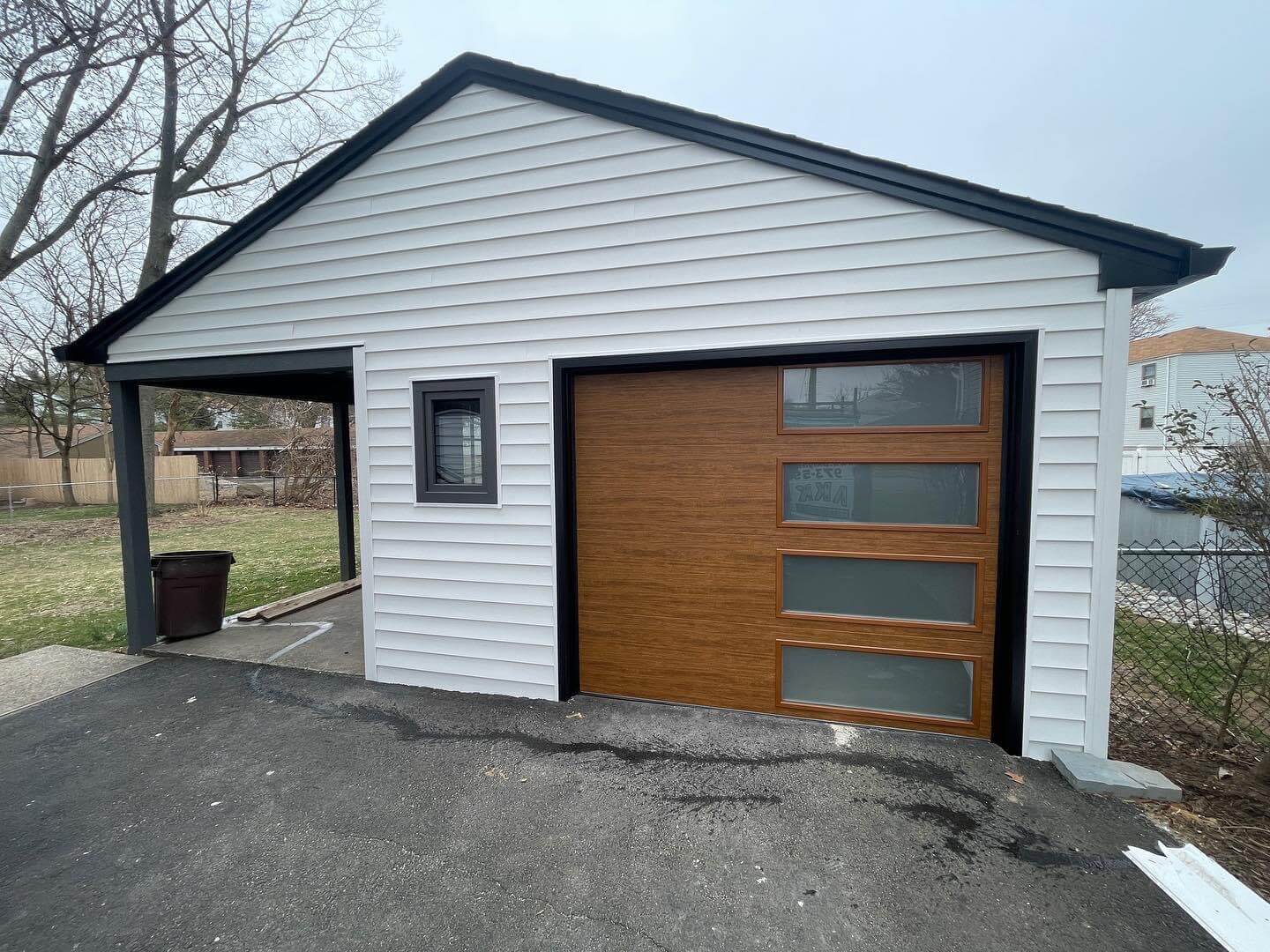
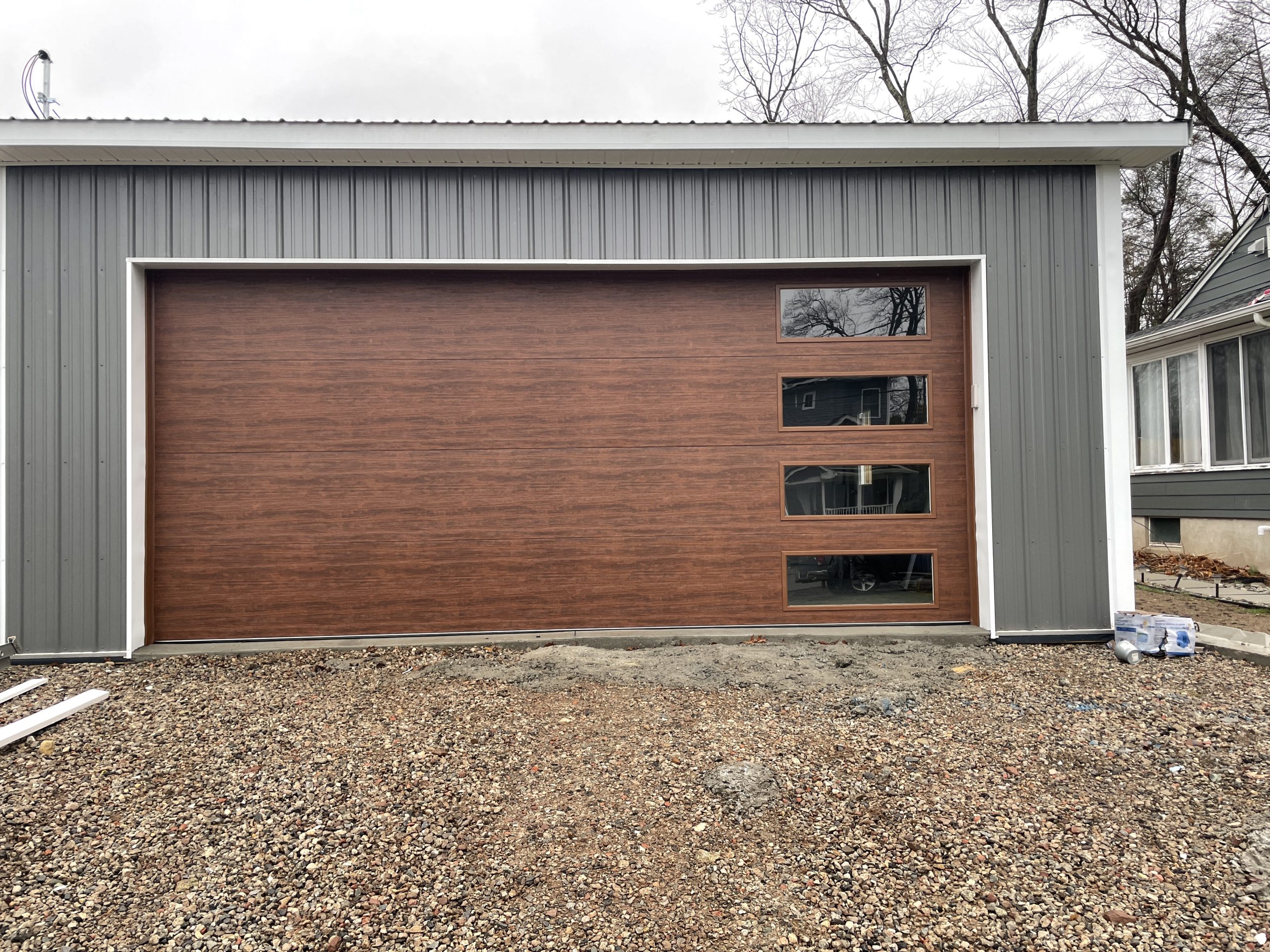
A garage door is one of those parts of a home that most families stop noticing until it refuses to open on a rainy morning or slams shut with a jolt that rattles the whole house. In New Jersey, where weather swings can be hard on moving parts and many homes use the garage as a primary entry point, a failing door is not just an inconvenience. It is a safety issue, a security concern, and in some cases a genuine hazard.
I have seen the pattern repeat itself in suburban driveways, shore communities, and older neighborhoods with detached garages. Homeowners put up with noisy rollers, delayed response, crooked movement, or a motor that strains more each week. They tell themselves they will get around to it. Then one cold snap, one broken spring, or one misaligned track turns a manageable repair into an urgent problem. Garage Door Repairs in New Jersey are often less about cosmetics and more about keeping the household functioning safely.
What makes this topic worth taking seriously is how much weight and force are involved. A standard residential garage door can weigh anywhere from roughly 130 to well over 300 pounds depending on size, material, and insulation. The opener does not do all the heavy lifting on its own. Springs counterbalance the load, cables stay under tension, rollers track the movement, and sensors protect people and vehicles from impact. When one part fails, the rest of the system is affected. That is why seemingly small symptoms deserve attention.
Why New Jersey homes put garage doors to the test
New Jersey creates a tough environment for garage door systems. Winter cold can stiffen lubricants, expose weak springs, and cause metal components to contract. Summer humidity encourages rust and swelling in certain materials. Coastal air in places closer to the shore adds another layer of corrosion risk. Then there is the simple reality of use. In many households, the garage door opens and closes several times a day, often more than the front door is used.
Older homes across the state present another wrinkle. It is common to find garages that were built for narrower vehicles and later retrofitted with new doors or openers. That can leave homeowners with a system that technically works but is not ideally matched. Tracks may be older than the opener. The door panels may be newer than the springs. Safety sensors might have been added later and mounted poorly. These mixed-generation setups tend to fail in ways that are not obvious until the problem becomes serious.
Storms matter too. A heavy downpour, a power outage, or wind-driven debris can reveal weaknesses fast. If the weatherstripping has worn down, water gets in. If the bottom seal is compromised, leaves and pests can enter. If the opener has no battery backup, families may be stuck during outages unless they know how to use the manual release correctly. For homes where the garage is the main route in and out, those details matter every day.
The safety side is bigger than most people realize
When homeowners think about Garage Door Repairs, they often focus first on convenience. The car is trapped. The remote is unreliable. The door is too loud. Those are valid concerns, but the safety side deserves equal attention.
A broken torsion spring is one of the clearest examples. Springs store a tremendous amount of tension. When one snaps, the sound can be startling, like a sharp bang from inside the garage. After that, the opener may hum but struggle, or the door may lift only a few inches before stopping. Trying to force the door can burn out the opener or cause the door to come down unevenly. More important, attempting a spring repair without proper tools and training can lead to serious injury. This is not cautious trade talk. It is simple physics.
Cables are another overlooked risk. Frayed or loose lift cables can cause one side of the door to rise faster than the other. That creates a crooked movement that puts stress on panels, rollers, and tracks. A homeowner may notice a gap on one side or hear scraping as the door travels. Left alone, that imbalance can escalate from a repair job to a partial collapse.
Then there are safety sensors, the small photo eyes near the bottom of the opening. They are easy to dismiss because they look insignificant. Yet these sensors are often the last line of defense between a closing door and a child, pet, bicycle, or bumper. When they are dirty, bumped out of alignment, or weakened by wiring issues, the door may reverse unexpectedly or fail to reverse when it should. Both situations create risk.
The warning signs that should not be ignored
Most garage door failures do not come out Garage Door Repairs in New Jersey of nowhere. The system usually sends warnings first. Families who know what to watch for can address problems before they become emergencies.
A loud grinding or popping sound is often a clue that rollers are wearing out, hinges are loosening, or spring tension is changing. A door that hesitates halfway or shakes during travel may be dealing with track alignment issues or resistance from damaged rollers. If the opener light flashes and the door reverses, the sensors may be blocked or misaligned. If the remote range gets shorter, the issue might be electrical interference, weak batteries, or an opener nearing the end of its life.
One sign I always tell homeowners to take seriously is a door that suddenly feels heavier during manual operation. If you pull the release cord and the door no longer lifts smoothly with one hand, the counterbalance system may be failing. A properly balanced door should feel controlled and manageable, not like dead weight. The opener can mask this problem for a while, but only by working harder than it was designed to.
Cosmetic damage can matter as well. A dented panel may seem minor, especially if the door still opens. But if the dent affects the structural stiffness of the panel, the entire door can begin to flex differently under load. That can shorten the life of hinges, strain the opener, and make future repairs more complicated.
Repairs that are common in New Jersey homes
Garage door systems vary, but certain repairs come up again and again across New Jersey properties. Springs top the list, especially in busy households where cycle counts add up quickly. Many standard springs are rated for a fixed number of open and close cycles, often around ten thousand in basic installations, though higher-cycle options are available. For a family using the garage four to six times a day, those years pass faster than expected.
Roller replacement is another common service. Older metal rollers can become noisy and rough, while worn nylon rollers may crack or wobble. Replacing them often makes a dramatic difference in both sound and movement. Tracks can need adjustment after years of vibration or after a minor vehicle bump. Cables, hinges, bottom brackets, and weather seals also wear in ordinary conditions.
Openers deserve their own category. Sometimes the opener is not broken at all, it is simply reacting to an unbalanced door or misaligned hardware. Other times the motor gear is worn, the logic board is failing, or the travel and force settings need adjustment. I have seen plenty of homeowners assume they need a full replacement when a targeted repair would have solved the issue. I have also seen the reverse, where repeated small fixes were poured into an opener that was already well beyond a sensible service life.
The best diagnosis looks at the whole system. Replacing one part without checking the rest can create a false sense of security. A new spring on a neglected door may solve the immediate problem while leaving rollers, bearings, and cables on borrowed time.
When repair makes sense, and when replacement is the smarter call
Not every broken garage door should be repaired indefinitely. There is a point where replacement becomes the safer and more economical path. The decision depends on age, condition, parts availability, insulation needs, and how the home uses the garage.
If a relatively modern door has one failed spring, worn rollers, or sensor alignment issues, repair usually makes sense. If the panels are in good shape and the opener is properly matched, a focused repair can restore reliable operation for years. This is especially true when the problem is caught early and the damage has not spread.
Replacement starts to make more sense when the door is structurally compromised, heavily rusted, repeatedly out of alignment, or made from outdated sections that are hard to match. The same goes for older non-insulated doors attached to living space. In New Jersey winters, a well-insulated replacement can help stabilize the temperature in adjacent rooms and reduce drafts in the garage. That may not transform utility bills overnight, but homeowners often notice improved comfort right away.
There is also a security angle. Newer openers and doors can offer stronger locking features, rolling-code remotes, smartphone monitoring, battery backup, and better obstacle detection. For families who use the garage as the main entrance, those upgrades are not just nice extras. They directly affect day-to-day safety and peace of mind.
A practical rule is to compare the repair cost with the age and overall condition of the system. If several major components are wearing out at once, a new setup may provide better value than serial repairs spread over the next year or two.
Why quick fixes often backfire
Garage doors tempt people into weekend repair attempts because the symptoms can look simple. A squeak suggests lubricant. A crooked door suggests a tightened bolt. A stuck opener suggests a new remote battery. Some basic maintenance is homeowner-friendly, but many repairs are not. The dangerous part is that the line between maintenance and hazard is not always obvious.
I remember one case where a homeowner tried to swap out a bottom roller on a door with a cable problem. On many doors, the bottom bracket is connected to the cable under spring tension. What looked like an ordinary hardware task had much higher stakes. Fortunately, the job stopped before anyone got hurt, but the repair became more expensive because the bracket had been disturbed and the door was left unstable.
There is also the problem of misdiagnosis. A door that reverses on closing might have dirty sensors, but it could also be binding on the track. A loud opener could be failing, or it could simply be dragging a badly balanced door. Replacing the wrong part costs money and delays the real fix.
The most reliable approach is to separate simple upkeep from technical repair. Cleaning photo eyes, changing remote batteries, and keeping the track area free of debris are reasonable homeowner tasks. Adjusting springs, resetting cables, replacing bottom brackets, or correcting major track issues should be left to trained technicians.
What a good repair visit should include
A professional service call should be more than a quick part swap. The best technicians treat the garage door as a connected mechanical system. They inspect spring condition, cable wear, roller movement, hinge play, track alignment, sensor performance, opener response, and door balance. If they replace one part, they should explain how the rest of the system looks and whether anything else needs attention soon.
Homeowners in New Jersey should also expect a repair plan that reflects local conditions. In a coastal area, corrosion-resistant hardware may be worth discussing. In a high-use household, higher-cycle springs may be a smarter choice than standard ones. In an attached garage, insulation and sealing deserve more attention than they might in a detached outbuilding used only for storage.
Clear communication matters. A good technician should explain what failed, why it failed, and whether the repair is expected to solve the issue on its own. Vague statements such as "it was old" are not enough. Wear and tear is real, but the homeowner deserves a practical explanation in plain language.
Small maintenance habits that prevent bigger problems
Families do not need to become garage door experts, but a few consistent habits can extend the life of the system and reduce emergency calls.
- Watch and listen to the door once a month during a full open and close cycle.
- Keep the photo eyes clean and make sure stored items do not block them.
- Check the bottom seal and perimeter weatherstripping for gaps, cracks, or water intrusion.
- Test the auto-reverse function according to the manufacturer’s instructions.
- Schedule service when new noises, jerky motion, or balance changes appear.
None of these steps requires advanced skill, and all of them help catch problems early. I would add one more practical suggestion that does not need a list entry. Every adult in the household should know how to use the manual release during a power outage. That knowledge is surprisingly uncommon until someone needs it in bad weather.
Security, not just mechanics
A garage door does more than move up and down. It protects one of the largest openings in the home. That makes security part of the repair conversation, especially when the garage connects directly to interior living space.
Damaged bottom seals and side gaps can invite more than drafts. They can create access points for rodents, insects, and moisture. A door that fails to close flush to the ground is not simply "a little off." It is leaving the home more exposed. Likewise, an opener that sometimes stops before full closure or reverses unpredictably is a security issue, not just an annoyance.
Remote controls deserve attention too. Older systems may use less secure technology than current openers. If a household has moved into a home and inherited remotes from prior owners, reprogramming or upgrading is a sensible step. Keypads should be updated when codes are widely shared, and wall controls inside the garage should be mounted with security and child safety in mind.
For many New Jersey families, the garage stores much more than a car. It may hold tools, bikes, seasonal equipment, and access to interior doors. Keeping that entry point dependable is part of protecting the whole property.
The seasonal rhythm of garage door problems
Timing matters. Winter is when latent weaknesses often reveal themselves. Springs fail in the cold. Frozen slush at the threshold can cause resistance. Brittle weather seals crack. If a door already had balance issues in the fall, January tends to expose them fast.
Spring and summer bring a different set of concerns. Increased humidity can affect metal components and electrical connections. Families travel more, use bikes and yard equipment more often, and cycle the door more frequently. That higher use can turn mild wear into a service issue.
Autumn is one of the best times for preventive attention. If a door is noisy, slow, or slightly uneven in September, it is wise to address it before cold weather makes the problem more severe. The same thinking applies before a house goes on the market. Garage doors strongly influence curb appeal, but buyers also notice when a door sounds rough or fails a basic safety test during inspection.
Choosing a repair company with judgment, not just availability
Emergency availability matters, especially when a car is trapped or a door is stuck open. Still, speed should not be the only criterion. Garage Door Repairs in New Jersey are best handled by companies that understand local housing stock, seasonal conditions, and the difference between a quick patch and a durable repair.
Look for technicians who ask questions about the age of the system, the symptoms, and whether the garage is attached or detached. That usually signals a more thoughtful approach. Be cautious with unusually low quotes that do not specify parts, cycle ratings, or labor scope. Garage door work is one of those trades where the cheapest route can become the expensive route fast.
It is also reasonable to ask whether replacement parts are matched correctly to the door. Springs should be sized for the actual door weight, not guessed. Openers should be appropriate for the door type and usage level. If a company offers options, that Garage Door Repairs in New Jersey is often a good sign. One family may need the most economical safe repair. Another may benefit from upgraded hardware because the door cycles eight times a day and serves as the primary entrance.
The broader value of a reliable garage door
There is a tendency to think of home repairs in narrow terms. Does the thing work, yes or no. With garage doors, the value is broader. A properly repaired system supports daily routines, protects children and pets, secures vehicles and storage, reduces noise, and lowers the chance of a sudden emergency. It also preserves the life of related components. An opener paired with a balanced, well-maintained door lasts longer than one forced to compensate for neglected hardware.
That is why Garage Door Repairs should not be treated as a purely reactive service. They are part of basic home stewardship, especially in a state where weather and heavy use create constant wear. The households that avoid the worst breakdowns are usually not the ones spending lavishly on upgrades. They are the ones who respond when the door starts telling them something is wrong.
For New Jersey families, safety and security often come down to ordinary systems doing their jobs quietly and reliably. A garage door is one of those systems. When it moves smoothly, seals properly, and reverses when it should, nobody thinks twice about it. When it fails, everyone does. Keeping it in good repair is not glamorous, but it is one of the clearest examples of practical home maintenance protecting real people every day.
A.K.K. Garage Doors
Phone number: +19735907183
FAQ About Garage Door Repairs in New Jersey
What is the average cost of fixing a garage door?
The average cost of fixing a garage door ranges from $150 to $350 for most common repairs, with a typical service call fee of $50 to $75. Total expenses depend heavily on the specific broken part and labor rates, which generally run $75 to $150 per hour.
What is the most common garage door repair?
The most common garage door repair is replacing broken torsion or extension springs, which wear out after roughly 10,000 to 15,000 cycles (about 7 years) of opening and closing.
Can a handyman fix a garage door?
Yes, a handyman can fix minor garage door issues like sensor realignments, replacing rollers, or weather-stripping, but major repairs involving high-tension springs or cables are dangerous and best left to a specialized garage door technician.