Garage Door Repairs: Essential Maintenance Tips for Long-Term Reliability
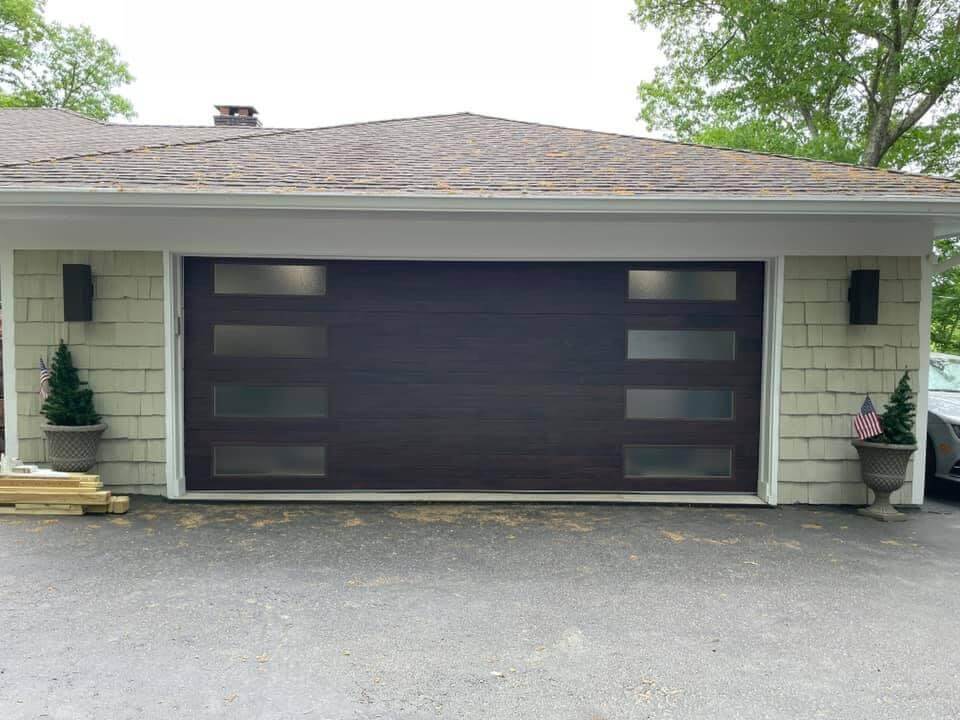
A garage door is one of the hardest-working systems in a home, yet it rarely gets much attention until it stops moving. When it does fail, the inconvenience arrives fast. Cars get trapped inside, security takes a hit, and a seemingly simple problem can turn into a costly repair if it is ignored for too long. After years of seeing homeowners deal with sudden breakdowns, one pattern stands out: most major garage door problems begin as small maintenance issues that were easy to miss and even easier to postpone.
That is why long-term reliability depends less on dramatic fixes and more on steady care. Good maintenance does not require obsessive attention or specialized knowledge. It requires awareness, timing, and a clear sense of what belongs in a homeowner’s routine and what should be left to a trained technician. This is especially true for households with busy schedules, multiple drivers, or doors that cycle open and closed many times a day.
For homeowners looking into Garage Door Repairs in New Jersey, the local climate adds another layer to the conversation. Humid summers, freezing winters, salt exposure near the coast, and rapid temperature swings all place stress on metal components, rubber seals, and opener systems. A door that performs well in mild weather can develop noise, jerky movement, or balance issues once the seasons shift. Preventive maintenance is not just about extending the life of the door. It is about helping the whole system perform safely through changing conditions.
Why reliability starts with the whole system
People often think of the garage door as one large moving panel, but in practice it is a collection of interdependent parts. Springs carry the door’s weight. Rollers guide the door through the tracks. Hinges articulate the sections as they bend. Cables maintain tension. The opener supplies controlled motion, but only if the mechanical components are already in sound condition.
When one part begins to wear out, the effect spreads. A dry roller may seem minor at first, but friction increases strain on the track and opener. A door that has drifted out of balance forces the spring system and motor to work harder Take a look at the site here than intended. Bent track sections can cause uneven travel, which then affects hinges and panel alignment. Problems rarely stay isolated for long.
This is where many expensive garage door repairs begin. The homeowner hears a new grinding sound or notices a slight delay when pressing the wall button, but the door still opens, so the issue gets pushed aside. A few weeks later, the spring snaps or the opener gear fails. The original symptom was small, but the cumulative stress was not.
The warning signs people overlook
Garage doors usually give notice before they stop working altogether. The challenge is recognizing when normal wear has crossed into developing failure. A healthy door should move with a steady rhythm and a predictable sound. It should not shudder, bang, scrape, or reverse without reason.
Some warning signs are obvious, like a broken spring or a door that will not fully close. Others are subtler. If the Garage Door Repairs in New Jersey door seems heavier when operated manually, that often points to spring imbalance. If one side rises faster than the other, cable tension or track alignment may be off. If the opener strains loudly while the door hesitates, there may be resistance in the rollers, hinges, or springs rather than a problem in the motor itself.
Weather seals also deserve more attention than they usually get. A cracked bottom seal or brittle perimeter weatherstripping may not stop the door from functioning, but it can let in moisture, pests, and cold air. Over time that contributes to corrosion, swelling in adjacent framing, and higher wear on lower door sections.
In many homes, noise becomes the first clue. A garage door that used to hum quietly and now rattles the whole room is not simply getting older. It is telling you something about friction, loose hardware, or movement where there should be stability.
What homeowners can check safely
There is real value in basic observation. A homeowner does not need to disassemble the system to catch early issues, and in fact should not try. But regular visual checks and light maintenance can prevent plenty of service calls.
A practical monthly check can include the following:
- Watch the door open and close fully, and listen for changes in speed, vibration, or noise.
- Inspect rollers, hinges, tracks, and cables for visible wear, rust, fraying, or looseness.
- Test the photo-eye sensors by making sure the beam is aligned and free of dust.
- Look at the bottom seal and side weatherstripping for cracks, flattening, or gaps.
- Disconnect the opener and lift the door manually to see whether it feels balanced and manageable.
That last test can reveal a lot. A properly balanced door should lift with modest effort and should not crash downward or shoot upward when partially open. If it does, the spring system may need adjustment. That is not a do-it-yourself task. Torsion and extension springs store substantial force, and mistakes can cause serious injury.
Lubrication matters, but only in the right places
One of the most common maintenance mistakes is using the wrong lubricant or applying it everywhere. Garage door systems benefit from lubrication, but indiscriminate spraying can create a mess, attract dirt, and even interfere with operation.
Metal rollers, hinges, and spring coils generally benefit from a garage-door-specific lubricant or a light silicone or lithium-based product, depending on manufacturer guidance. The goal is to reduce friction at moving contact points, not drench the hardware. A quick, controlled application every few months is usually enough for a residential door, though doors with very high use may need more frequent attention.
Tracks, on the other hand, should generally be kept clean rather than lubricated. Greasing the tracks often leads to dirt buildup, which can make movement rougher rather than smoother. If the tracks are dusty, wipe them down. If they are bent, loose, or misaligned, lubrication will not solve that.
I have seen doors become dramatically quieter after ten minutes of proper lubrication and tightening. I have also seen openers burn out because someone assumed noise meant the motor needed replacing, when the real culprit was months of dry hardware forcing the system to work harder than it should.
Fasteners loosen over time, even on good installations
Garage doors generate vibration every time they operate. That repeated motion gradually loosens bolts, brackets, and hinge fasteners. It is not necessarily a sign of poor installation. It is a sign that the system is dynamic.
Loose hardware can lead to rattling, misalignment, and uneven panel stress. In steel sectional doors, it can even distort mounting points over time if neglected. A simple tightening of accessible fasteners can help, but homeowners should stay within safe limits. Hardware connected directly to spring assemblies, bottom brackets, or other high-tension components should not be disturbed without training.
What matters most is noticing movement where there should be none. If a track bracket shifts when the door moves, that deserves prompt attention. If hinges appear elongated at the screw holes or panels show cracking around attachment points, the system is already compensating for stress.
Seasonal stress is real, especially in New Jersey
Climate has a direct effect on garage door performance, and that is easy to underestimate until a door begins acting up on the coldest morning of the year. For anyone dealing with Garage Door Repairs in New Jersey, weather is not a side note. It is part of the maintenance strategy.
Winter cold can stiffen lubricants, shrink seals, and expose weaknesses in springs that were already nearing the end of their service life. Frozen moisture at the threshold can make the door stick to the ground, which sometimes leads homeowners to keep pressing the opener until something gives. Usually it is the opener gear, carriage, or a panel edge.
Summer humidity creates a different set of problems. Wood doors may swell slightly. Metal parts can develop surface rust if garages are damp or poorly ventilated. Photo-eye lenses get dusty faster in busy garages, especially those used as workshops or storage spaces. In coastal areas, salt exposure accelerates corrosion on hardware and tracks, even when the rest of the door still looks fine from a distance.
A smart seasonal routine is often enough to stay ahead of these issues. Before winter, check seals, balance, and lubrication. In spring, inspect for rust, water intrusion, and any damage caused by freezing conditions. Those two moments alone catch a surprising number of developing problems.
The opener is not the whole story
When a garage door malfunctions, many homeowners assume the opener is at fault because it is the visible electrical device in the system. Sometimes that is true. Remote issues, worn gears, travel limit problems, and logic board failures do happen. But openers are frequently blamed for mechanical issues elsewhere.
If the opener struggles to lift the door, stops mid-cycle, or reverses unexpectedly, the underlying cause may be resistance from a misaligned track, failing spring, or damaged roller. Replacing the opener without addressing those root issues only postpones failure, and may damage the new opener in the process.
A good technician will usually evaluate the door manually before focusing on the motor. That approach reveals whether the opener is being asked to do too much. In a properly functioning setup, the opener guides and controls motion. It should not be dragging a heavy, unbalanced door against gravity.
Battery backups, smartphone controls, and quiet belt-drive units have improved convenience considerably, but no opener can compensate indefinitely for neglected mechanical parts. Reliability still begins with the door itself.
When small repairs are worth doing immediately
Not every issue is an emergency, but certain minor repairs are worth handling early because they tend to escalate. Replacing worn rollers is a good example. Nylon rollers with sealed bearings can make a noticeable difference in noise and smoothness, and they reduce stress on both tracks and opener systems. Waiting until rollers are cracked or binding often leads to more wear elsewhere.
Likewise, replacing weather seals before they fully fail can prevent water from entering the garage and damaging stored items or nearby framing. Tightening a loose track bracket before it shifts under load can prevent a much bigger alignment problem later. Adjusting opener force settings after a door tune-up can improve safety and reduce unnecessary strain.
What makes these repairs worthwhile is not just cost. It is timing. A modest service visit planned on your schedule is very different from an emergency call after the door is stuck half open on a rainy evening.
Repairs that should always be left to professionals
There is a point where maintenance ends and risk begins. Garage doors may look straightforward, but some of their most important parts operate under high tension. Springs and cables can release force violently if handled incorrectly. Bottom brackets, in particular, are not ordinary hardware.
Call a qualified professional if you notice any of the following:
- A broken torsion or extension spring
- Frayed, slack, or off-drum lift cables
- A door that is severely unbalanced or falls rapidly when disengaged
- Bent tracks or rollers that have come out of the track
- Repeated opener reversal after basic sensor cleaning and inspection
Those are not situations for experimentation. The same goes for replacing structural panels on insulated doors, resetting spring tension, or correcting significant track misalignment. A seasoned technician brings not just tools, but judgment. That matters because the visible symptom is not always the primary failure.
For example, a door that comes off track may appear to need only roller repositioning. In practice, the derailment may have started with a cracked hinge, an impact-damaged panel, or a cable issue that changed load distribution. Simply forcing the roller back in place misses the reason it happened.
How maintenance extends service life
A residential garage door can last many years, but its lifespan is tied closely to use patterns and maintenance quality. A lightly used door on a well-kept system may run reliably for a long time. A door used six to eight cycles a day with minimal upkeep will age much faster. Springs, in particular, are rated by cycle count rather than calendar years.
Maintenance extends service life because it reduces friction, preserves alignment, and catches wear before it spreads. It also keeps the system safer. Auto-reverse features, sensor alignment, and balanced lift are not simply conveniences. They are part of preventing injury and property damage.
There is also a financial angle that homeowners appreciate once they see the difference in repair patterns. The cost of periodic service is usually far lower than the cost of replacing a burned-out opener, damaged panel, broken spring, and emergency labor all at once. Reliability is cheaper when it is planned.
A practical mindset for long-term ownership
The most reliable garage doors usually belong to homeowners who treat the system the way they treat HVAC equipment or roofing. Not with constant worry, but with respect for the fact that it is a critical piece of infrastructure. They pay attention to changes. They schedule service before a failure becomes urgent. They understand that the loudest part in the garage is often asking for help before it stops moving.
That mindset is particularly useful when dealing with older homes, custom wood doors, or properties where the garage door is the main point of entry. In those cases, wear accumulates faster because the door is doing more than storing the car. It is acting as a primary access system, security barrier, and weather seal all at once.
Good Garage Door Repairs are rarely just about fixing what broke today. The best repair work restores function while also addressing why the problem developed. Sometimes that means replacing a single hinge. Sometimes it means recognizing that repeated spring failures point to balance issues, wrong spring sizing, or a door that has gained weight over time from repairs and added insulation.
What to expect from a thorough service visit
When homeowners schedule professional maintenance or repair, the most useful visits go beyond a quick spray and tighten. A thorough technician will inspect spring condition, roller wear, cable health, track alignment, panel integrity, opener response, and safety reverse operation. They should also explain what is urgent, what can wait, and what signs to watch for next.
That clarity matters. Not every worn component needs same-day replacement, and not every noisy door needs a major rebuild. Honest service involves prioritization. If a roller set is aging but still functional, the technician should say so. If a spring is showing fatigue and likely nearing failure, that should be made clear too. Good recommendations are based on risk, not pressure.
Homeowners in New Jersey often benefit from asking one extra question during these visits: how will seasonal conditions affect the current setup? The answer can shape timing on seal replacement, lubrication intervals, and corrosion prevention. Local experience counts because environmental stress is not the same everywhere.
Reliability is built in quiet moments
Garage door failures feel sudden, but the causes usually build gradually. A little more noise. A slightly crooked descent. A seal that no longer meets the floor evenly. A door that seems heavier than it used to. Those quiet changes are where long-term reliability is either protected or lost.
A well-maintained garage door should feel boring in the best sense of the word. It opens when asked, closes securely, and does its job without drama. Getting there does not require constant attention, only periodic care and sensible decisions about what to inspect yourself and when to bring in a professional.
For homeowners managing Garage Door Repairs in New Jersey or anywhere with demanding seasons, that steady approach pays off. Maintenance preserves hardware, improves safety, protects the opener, and reduces the chance of being surprised by a failure at the worst possible time. The work is modest, but the return is substantial: fewer emergencies, longer service life, and a garage door you can trust to work when you need it most.
A.K.K. Garage Doors
Phone number: +19735907183
FAQ About Garage Door Repairs in New Jersey
What is the average cost of fixing a garage door?
The average cost of fixing a garage door ranges from $150 to $350 for most common repairs, with a typical service call fee of $50 to $75. Total expenses depend heavily on the specific broken part and labor rates, which generally run $75 to $150 per hour.
What is the most common garage door repair?
The most common garage door repair is replacing broken torsion or extension springs, which wear out after roughly 10,000 to 15,000 cycles (about 7 years) of opening and closing.
Can a handyman fix a garage door?
Yes, a handyman can fix minor garage door issues like sensor realignments, replacing rollers, or weather-stripping, but major repairs involving high-tension springs or cables are dangerous and best left to a specialized garage door technician.